Start abstract.
Follow every arrow.
Four code-backed views of the same production system. No future-state boxes. No invisible “AI magic” layer.
Request path
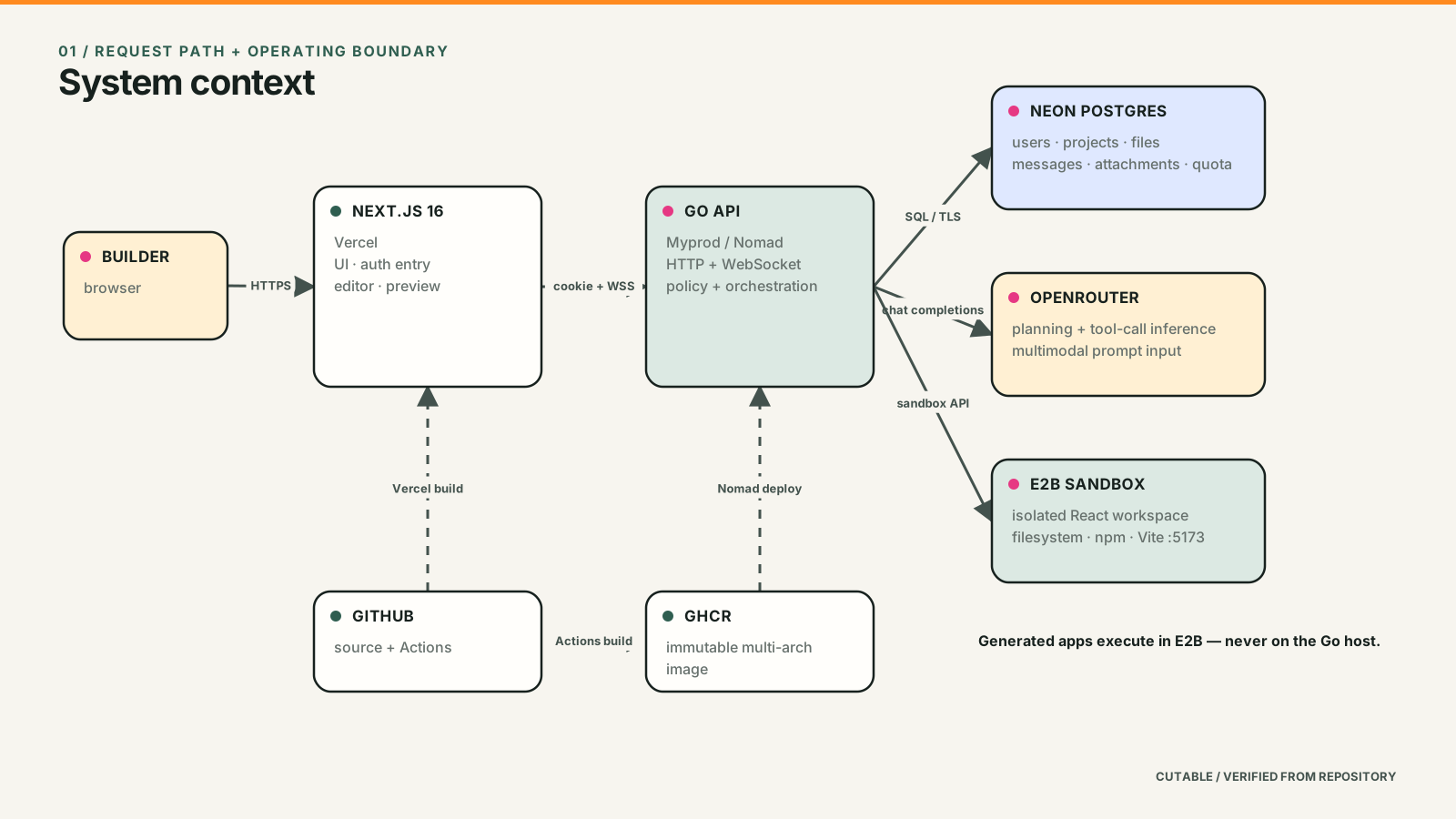
System at a glance
Next.js is the interface. Go owns policy and orchestration. Neon is durable state. OpenRouter proposes work. E2B executes generated applications.
Product path
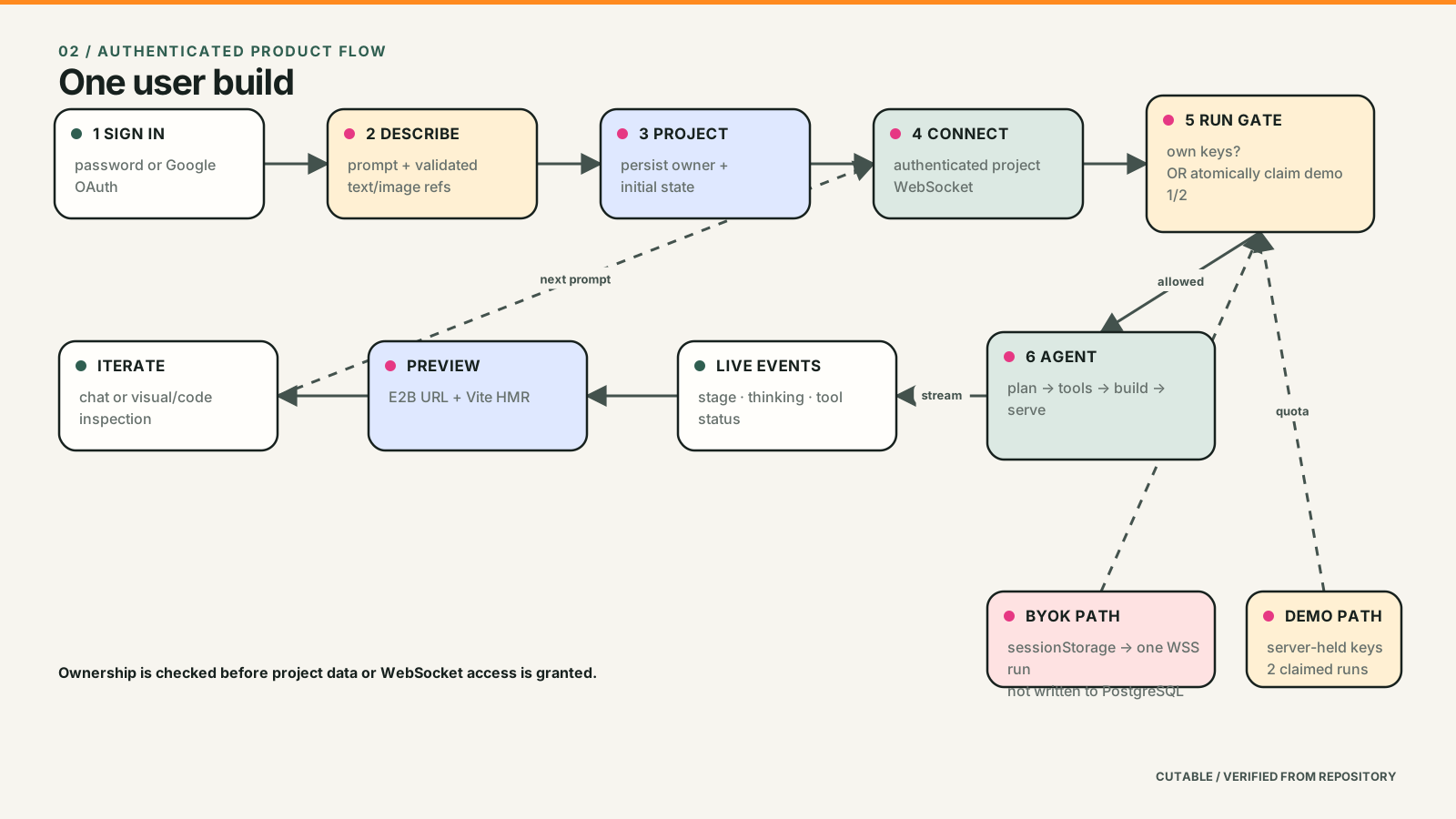
One user build
An authenticated, owner-scoped project moves through an atomic demo-or-BYOK gate, then streams agent events and an isolated preview back to the builder.
Control loop
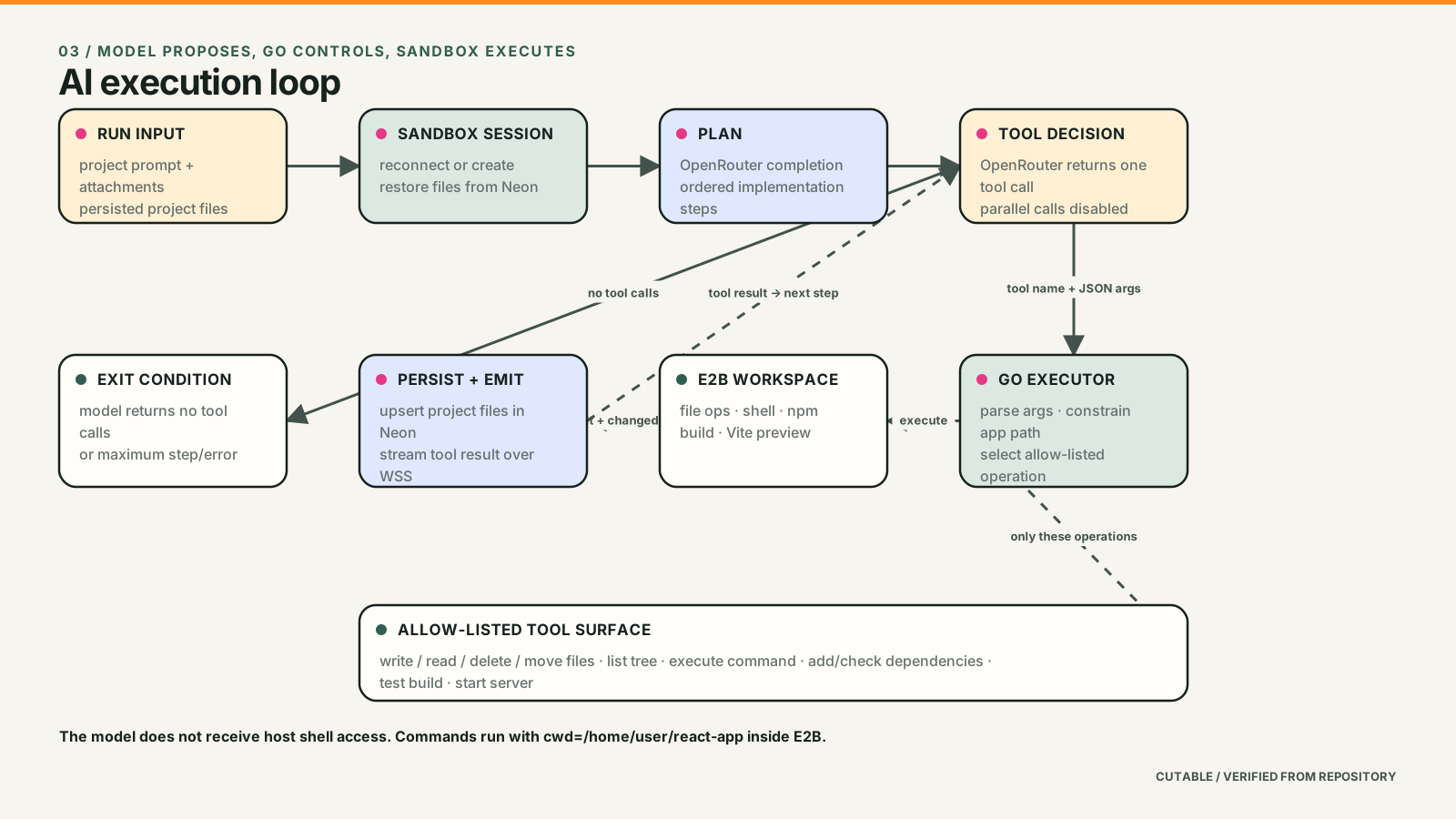
Model proposes. Go controls. E2B executes.
The model returns one tool call at a time. Go constrains paths, dispatches registered tools, persists changed files, and returns results for the next decision.
Production path
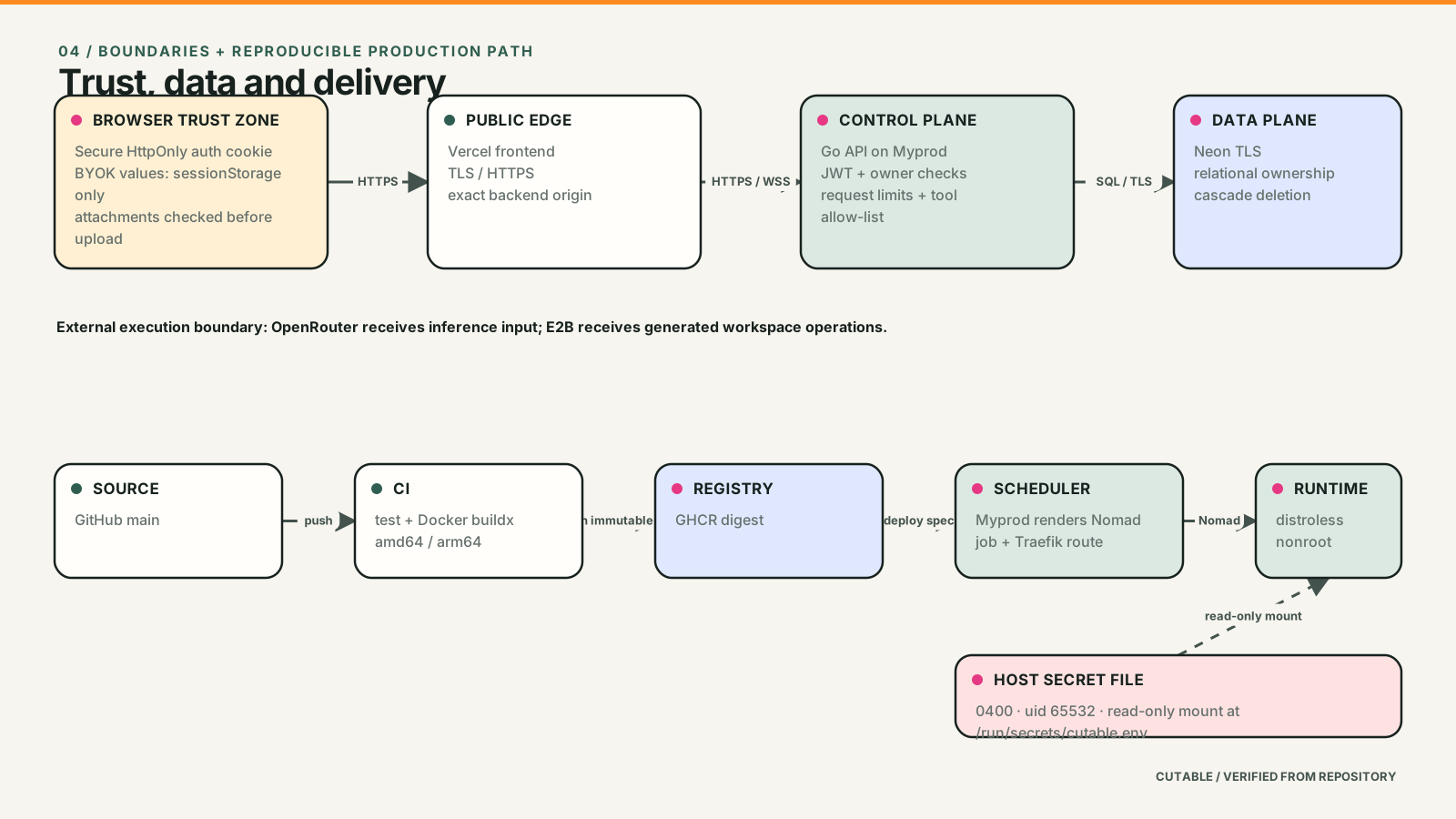
Trust and delivery
The runtime and delivery boundaries are explicit: browser session state, Vercel edge, Myprod control plane, Neon data plane, and digest-pinned container delivery.
Verification map
Claims resolve to code.
These links are the evidence behind the diagrams. Follow them when behavior changes; regenerate the views when the architecture changes.
Honest boundaries
What the boxes do not promise.
- OpenRouter and E2B are third-party processors for inference and execution.
- The two-run demo is an account allowance, not a token or compute budget.
- Preview availability depends on E2B lifetime and a successful Vite start.
- Generated code still requires review before a real deployment.
- Neon persists current files; Cutable does not provide Git history per project.
- BYOK is session-only handling, not end-to-end provider encryption.